Comparison of Disk and Well Methods for Measuring the Inhibition Power of Staphylococcus Aureus Using Betel Leaf Extract (Peperomia Pellucida)

Downloads
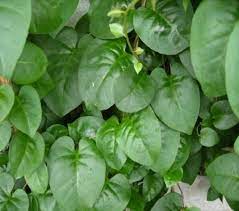
This study aims to compare the effectiveness of disk diffusion and well diffusion methods in measuring the antibacterial activity of Peperomia pellucida extract against Staphylococcus aureus. The research employed a laboratory experimental design with five treatment groups: three extract concentrations (20%, 50%, and 70%), ampicillin as positive control, and distilled water as negative control. The extract was diluted using 2% DMSO (dimethyl sulfoxide) as a solvent. Bacterial cultures were grown on Mueller-Hinton agar media and tested using both disk and well diffusion methods with five replicates per treatment, resulting in 50 total samples. Following 24-hour incubation at room temperature, inhibition zones were measured in millimeters. Data analysis using the Wilcoxon signed-rank test revealed a statistically significant difference between the two methods (p = 0.008 < 0.05). The well diffusion method produced significantly larger mean inhibition zones (13.254 mm) compared to the disk diffusion method (8.454 mm) across all extract concentrations. These findings indicate that the well diffusion method is more effective for evaluating the antibacterial activity of P. pellucida extract, likely due to superior diffusion dynamics and greater volume capacity for plant extracts. The well method also offers practical advantages, including lower cost and simpler implementation procedures.
Copyright (c) 2026 Indah Widyaningsih, Imroatul Lailuna, Akhmad Sudibyo, Agusniar Furkani

This work is licensed under a Creative Commons Attribution 4.0 International License.