Ethanolic Cosmos caudatus Extract Mitigates Doxorubicin-Induced Serum Lipid Profile Derangements in Female Wistar Rats

Downloads
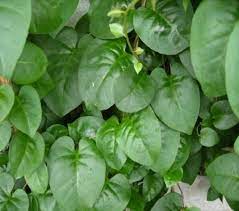
Doxorubicin remains a cornerstone chemotherapeutic agent, yet its clinical benefit is tempered by systemic toxicities that may extend to cardiometabolic disturbances, including dyslipidemia. This study investigated whether an ethanolic extract of Cosmos caudatus can mitigate doxorubicin-associated serum lipid derangements in female Wistar rats. Aerial parts of C. caudatus were authenticated and extracted by repeated maceration in 96% ethanol, concentrated under reduced pressure, and stored until use. Fifteen female Wistar rats (6-8 weeks; 220-280 g) were allocated to three groups (n=5/group): control (vehicle), doxorubicin (5 mg/kg i.p., once weekly for 4 weeks), or C. caudatus plus doxorubicin (200 mg/kg/day oral gavage for 1 week pre-treatment, followed by continued daily extract with concurrent doxorubicin for 4 weeks). At study end, serum total cholesterol (TC), triglycerides (TG), HDL-cholesterol (HDL-C), and LDL-cholesterol (LDL-C) were measured using enzymatic colorimetric assays; groups were compared using one-way ANOVA with Tukey’s post hoc test (two-tailed, ? = 0.05). Doxorubicin induced a pronounced dyslipidemic profile versus controls, increasing TC (118 ± 10 vs 78 ± 7.2 mg/dL; p < 0.0001) and TG (128 ± 20 vs 71 ± 10 mg/dL; p < 0.0001), reducing HDL-C (36 ± 4.3 vs 52 ± 4.6 mg/dL; p < 0.0001), and elevating LDL-C (41 ± 8.4 vs 17 ± 3.7 mg/dL; p < 0.0001). Cosmos caudatus treatment significantly attenuated these abnormalities compared with doxorubicin alone (TC 98 ± 9.8, p = 0.0138; TG 100 ± 11, p = 0.0268; HDL-C 45 ± 2.7, p = 0.0148; LDL-C 29 ± 4.8 mg/dL, p = 0.0191), supporting a partial normalization toward a less atherogenic lipid profile. These findings suggest ethanolic C. caudatus may be a promising botanical adjunct to reduce anthracycline-associated dyslipidemia, warranting mechanistic, dose-response, and safety-focused studies.
Copyright (c) 2026 Nathania Lisna Ardelia, I Gede Averyl Kusuma Wardhana, Johanes Aprilius Falerio Kristijanto, Anang Triadi, Farida Anggraini Soetedjo

This work is licensed under a Creative Commons Attribution 4.0 International License.